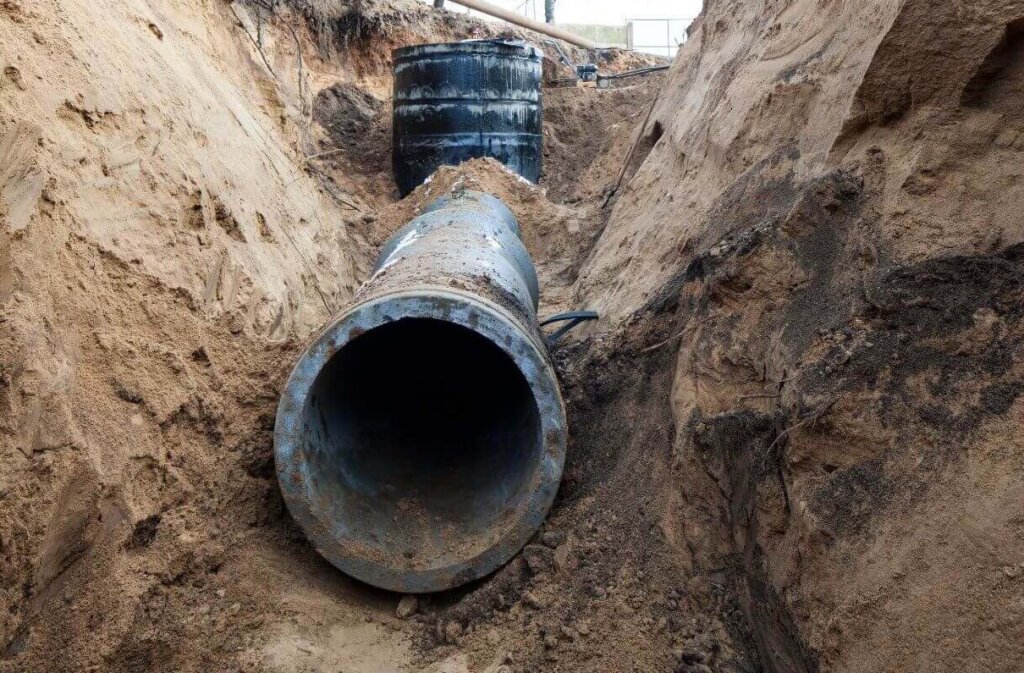
Sewer line problems can start quietly. They are hidden underground until a backup, a soggy patch of lawn, or a sewer scope during a home sale brings them to light. If you're staring down a sewer line replacement, here's what you need to know about cost, methods, and what makes Bay Area jobs a little different from the national averages.
Most Bay Area homeowners pay somewhere between $4,000 and $20,000 for a full sewer line replacement, with the majority of jobs landing in the $6,000-$15,000 range. Your exact cost will depend on the length of your sewer pipes and the method used to replace them:
Trenchless sewer replacement uses one of two techniques (pipe lining, where a resin-coated liner is inserted into the existing pipe and cured in place, or pipe bursting, where a new pipe is pulled through while breaking apart the old one). Either way, it requires only small access points rather than a long open trench.
Traditional sewer system replacement means digging an open trench along the entire length of the pipe to expose and replace it directly.
The honest math: trenchless is usually the better value once your driveway, patio, or landscaping is in the equation. Traditional excavation makes more sense when there's nothing valuable above the pipe to protect, or when the pipe's condition rules trenchless out entirely.
No reputable plumber should quote you a sewer line replacement without a sewer camera inspection. This single step changes everything about your final cost:
A few factors make sewer line work in the Bay Area cost more than the national average, including:
Sewer line problems tend to appear gradually before they become an emergency. Keep an eye out for:
Any one of these on its own might be minor. Several together, especially if they're recurring, usually means it's time for a camera inspection rather than another round of snaking. Click here to learn more about how much drain clearing costs.
Generally, no. Standard homeowner's insurance typically treats sewer line failure from age, root intrusion, or normal wear as a maintenance issue instead of a covered event. Sudden damage from an external cause, like construction work next door, is sometimes covered or the responsibility of the party at fault. However, some insurers offer a sewer line rider for an extra premium, which is worth considering if your home has original clay or cast iron piping.
The sewer professionals at Peter Levi proudly serve homeowners throughout Novato, Vacaville, and the surrounding North Bay communities, with technicians who are background-checked and committed to getting it right the first time. If you're seeing warning signs or you're navigating a sewer lateral requirement ahead of a home sale, schedule online or contact us to get started today!

GM, Peter Levi Plumbing, Heating, Cooling and Drains
With over twenty years of expertise in HVAC, plumbing, and drain services, I specialize in delivering high-quality solutions for residential needs. From high-end heating and air conditioning systems to comprehensive plumbing and underground construction projects, I am committed to providing exceptional service and reliability for every household. Whether it's an emergency repair or a planned home upgrade, my focus is always on delivering the best customer experience.
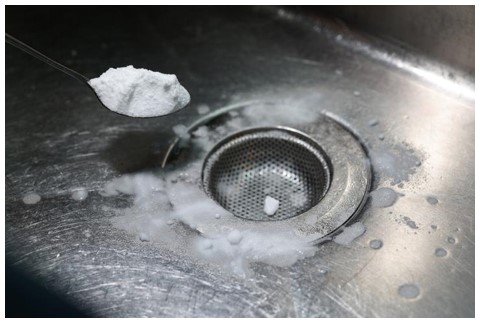
If you're dealing with a stubborn clog, you might be dreading the cost of drain cleaning services. However, these services are often more accessible than homeowners realize. Let's explore what you should expect to pay in California, and which method fixes the problem instead of just buying you a few more weeks.
Across California, most homeowners pay somewhere between $150 and $1,500 for professional drain cleaning, depending on the method used and where the clog is hiding. That's a big range, so here's how it breaks down by service type.
Where you land in those ranges depends on clog severity, how easy it is to access the line, and whether you're dealing with a one-time hair clog or years of grease and root buildup.
A drain snake (also called an auger) is a flexible metal cable with a cutting head on the end. A plumber feeds it into the pipe until it reaches the clog, then breaks through it mechanically.
Think of snaking like clearing a single lane on a clogged freeway. Traffic starts moving again, but all the debris on the shoulders is still sitting there, waiting to cause the next jam.
Hydro jetting uses a specialized hose that blasts water at 1,500 to 4,000 PSI through the pipe, scouring grease, soap scum, mineral buildup, and root intrusion off the entire interior wall, not just the clog itself.
It costs more upfront, but for chronic problem drains, it's often the cheaper option once you factor in how many snaking visits you'd otherwise need over a couple of years.
A few factors determine where your specific job falls within these price ranges, including:
The right drain cleaning solution for your home depends on the cause of the clog and its history:
Peter Levi's drain cleaning experts proudly serve homeowners throughout Novato, Vacaville, and the surrounding North Bay area. Our local plumbers charge by the job rather than the hour, so there are no surprises once the work is underway, and our technicians will always tell you honestly whether your situation calls for a simple snake or a full hydro jetting service.
If your drains are giving you trouble, contact our local plumbers for a free estimate before that slow drain turns into a Saturday morning flood.
GM, Peter Levi Plumbing, Heating, Cooling and Drains
With over twenty years of expertise in HVAC, plumbing, and drain services, I specialize in delivering high-quality solutions for residential needs. From high-end heating and air conditioning systems to comprehensive plumbing and underground construction projects, I am committed to providing exceptional service and reliability for every household. Whether it's an emergency repair or a planned home upgrade, my focus is always on delivering the best customer experience.
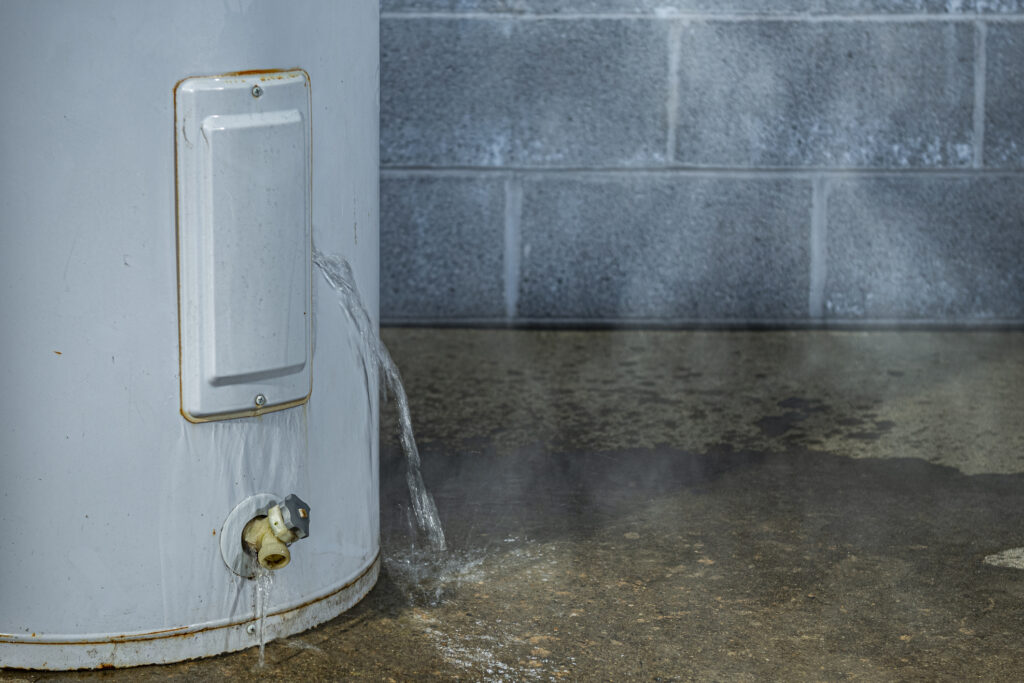
Novato and Vacaville have notably hard water, which can take a toll on your water heater (especially without regular maintenance). Since water heaters in these regions may need more frequent replacement than in other areas, you may wonder how much it costs. Let's explore how much water heater replacements typically run here in Novato and Vacaville, what drives that price up or down, and how to ensure you're not overpaying or underbuying.
Most homeowners in the North Bay area pay between $1,200 and $4,500+ for a full water heater replacement. Your exact cost will depend on the type of unit, size, fuel source, and any extra work your home needs to bring everything up to code. Let's take a closer look.
The biggest factor in your final bill is whether you stick with a traditional tank or switch to a tankless system.
Tankless systems cost more upfront, but they last nearly twice as long with proper maintenance (15-20 years versus 8-12 for a tank). They can also lower your monthly energy bill since they're not constantly reheating a stored reservoir of water. Read more about the benefits of tankless water heaters here.
You may have noticed water heater replacement quotes here run a little higher than the generic numbers you might find online. Why? California has some of the strictest plumbing and energy codes in the country, and they apply to every water heater replacement:
Beyond tank type and code compliance, a few other variables can move your final total up or down, including:
If your water heater is acting up, it's worth asking whether a repair makes more sense than a full replacement.
The plumbing experts at Peter Levi proudly serve homeowners throughout Novato, Vacaville, and the surrounding North Bay communities, with technicians who are background-checked, drug-screened, and genuinely good at what they do. If your water heater is on its last legs (or has already given out), we are here for you.
Contact us for a free estimate, or use our instant online water heater estimate tool to get a ballpark figure before we ever set foot in your home.
A cold shower is a bad way to start the day. Let's make sure it's the last one you have.
GM, Peter Levi Plumbing, Heating, Cooling and Drains
With over twenty years of expertise in HVAC, plumbing, and drain services, I specialize in delivering high-quality solutions for residential needs. From high-end heating and air conditioning systems to comprehensive plumbing and underground construction projects, I am committed to providing exceptional service and reliability for every household. Whether it's an emergency repair or a planned home upgrade, my focus is always on delivering the best customer experience.
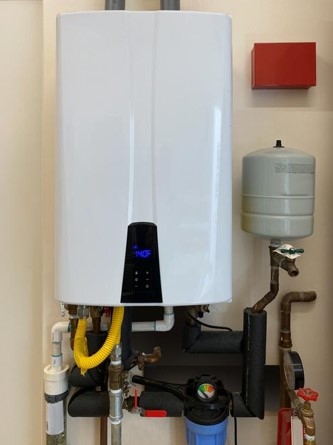
Tankless water heaters offer outstanding convenience and energy efficiency, making them an attractive option for homeowners replacing or upgrading their equipment. Unlike traditional water heaters, which hold and heat large volumes of water, tankless water heaters provide hot water on demand.
In this article, we explore the features and benefits of tankless water heaters, including:
Continue reading to learn more about the advantages of tankless water heaters.
Save Space and Energy – Choose Peter Levi for Your Tankless Water Heater!
With over 35 years of experience, Peter Levi offers a high level of expertise and craftsmanship in your water heater installation. Whether you need to repair your existing unit or you’re looking for an energy-efficient upgrade, we’re here to help. Contact us today at (415) 529-4633 to learn more.
One of the primary benefits of tankless water heaters is that, because the unit doesn’t store water, you’re not relying on a limited supply from a tank. Instead, you get an endless hot water supply on demand, eliminating the risk of cold showers and ensuring uninterrupted comfort and convenience when needed.
Tankless water heaters work by heating water as it’s needed. When you open a hot water tap in your home, the cold water enters the water heater through a pipe, and a gas burner or electrical element then heats the water. This gives you a constant supply of hot water.
Because tankless water heaters only operate when there’s a demand, they only run when you're actively using hot water. In contrast, traditional water heaters store from 30 gallons to over 100 gallons, depending on the size of the unit, and they run constantly to keep that water heated to a specific temperature. This means you’re paying to heat water 24/7, even when you’re on vacation.
Because water heating is generally the second largest energy expense in any home, the improved energy efficiency of tankless models can provide significant annual savings. If you notice signs that your existing water heater is failing, such as leaks and limited hot water supply, a tankless water heater may be a sensible investment.
Traditional water heaters have a sizable footprint, reducing usable storage space in a utility closet, basement, or garage. Not only are they an eyesore, but they’re difficult to accommodate with storage solutions, often requiring creative planning to fully utilize the remaining space.
On the other hand, tankless water heaters are considerably more compact, with units typically coming about 17.5 inches wide, 16 inches deep, and 27.5 inches tall. They can be installed in any ventilated, accessible location, including out-of-the-way areas of the home such as crawl spaces. They’re also relatively easy to conceal and design around, giving you more flexibility and letting you maximize your living space.
A unit’s life expectancy is one of the top things to consider before purchasing a new water heater. On average, a tankless system can last up to 30 years, while a traditional unit lasts around 10 years. This means that although traditional water heaters cost less upfront, you may have to replace them two to three times over the lifespan of a tankless option, potentially leading to higher long-term costs.
Tankless water heaters are a practical option that offers an energy-efficient way to maximize your home’s comfort and efficiency. In contrast to traditional water heaters, these units provide an endless supply of hot water, take up a limited amount of space, and only function when necessary. Along with this, they have a lifespan of two to three times that of a traditional tank unit.
If you’re replacing your water heater, opting for a tankless option is a smart, forward-thinking investment that pays off in comfort, efficiency, and reliability.
Upgrade to Endless Hot Water – Peter Levi Has Your Tankless Solution!
As Northern California’s premier plumbing, heating, and cooling experts, Peter Levi is the name you can always trust for your water heater repair and installation. We provide honest, up-front pricing with no hidden charges or fees, so you always know what to expect. Call us today at (415) 529-4633 to learn more about our services.
GM, Peter Levi Plumbing, Heating, Cooling and Drains
With over twenty years of expertise in HVAC, plumbing, and drain services, I specialize in delivering high-quality solutions for residential needs. From high-end heating and air conditioning systems to comprehensive plumbing and underground construction projects, I am committed to providing exceptional service and reliability for every household. Whether it's an emergency repair or a planned home upgrade, my focus is always on delivering the best customer experience.
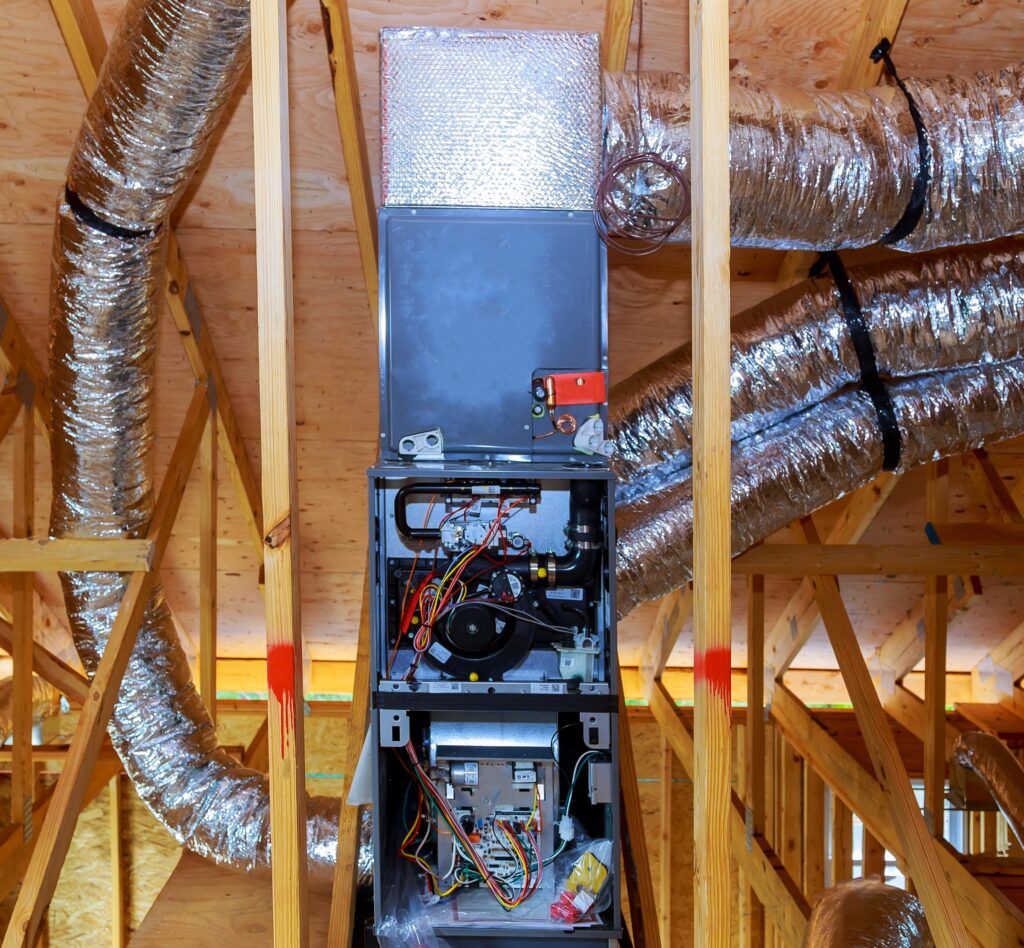
A furnace tune-up is an important maintenance process that helps ensure your unit is working correctly. Scheduling regular tune-ups can help prevent breakdowns, improve energy efficiency, and extend the life expectancy of your furnace. In this article, you’ll learn more about tune-ups, discover signs your furnace needs attention, and see what all this maintenance costs. Topics include:
Read on to see what a tune-up involves and when you should book your maintenance appointment.
Need a Furnace Tune-Up? Call Peter Levi Today!
Peter Levi’s heating maintenance services deliver real fixes backed by a high level of expertise and craftsmanship. We take pride in developing real relationships with our clients, and it’s that care and trust that keeps homeowners coming back time and again. Enjoy honest, upfront pricing and furnace tune-ups you can trust.
Furnace tune-ups include a comprehensive inspection and cleaning of your system to ensure efficiency and safety. During a tune-up, your HVAC professional may perform a number of tests and tasks, including:
On average, a furnace tune-up costs between $80 and $200. How much you pay for a furnace tune-up depends on various factors, including the type of furnace and the complexity of your system.
Ask your favorite HVAC company about seasonal discounts or maintenance plans that can help reduce your overall cost. And remember, paying for a tune-up now could help you avoid pricey repairs or unit replacements down the road.
If you’re behind on maintenance and spot any of these warning signs, you may need to schedule a furnace tune-up or general unit assessment as soon as possible:
While it may be tempting to wait until a true problem arises to call for heating repair, that would be a mistake. Regular furnace tune-ups are an important part of extending the life of your furnace and avoiding costly repairs.
Even small adjustments could increase efficiency and reduce energy costs. Adjusting a misaligned fan is far easier (and more affordable) than replacing one that’s worn down and beyond repair.
You can help prep for a frosty winter by scheduling a pre-season furnace tune-up. Being proactive comes with several perks:
Keep Your Furnace Running Smoothly—Book a Tune-Up with Peter Levi!
At Peter Levi, we take care of HVAC problems because we want to take care of you. With over 35 years of experience, we’ve established ourselves as the premier source of heating maintenance services in Northern California. Call to book a furnace tune-up today, and our heating and cooling experts will be at your side before you know it.
GM, Peter Levi Plumbing, Heating, Cooling and Drains
With over twenty years of expertise in HVAC, plumbing, and drain services, I specialize in delivering high-quality solutions for residential needs. From high-end heating and air conditioning systems to comprehensive plumbing and underground construction projects, I am committed to providing exceptional service and reliability for every household. Whether it's an emergency repair or a planned home upgrade, my focus is always on delivering the best customer experience.
At Peter Levi, we’ve seen it all when it comes to water heaters. While water heaters are built to work hard, there are a few common myths about efficiency that can cost you in the long run. Let’s set the record straight so you can keep your water heater running smoothly—without breaking the bank.
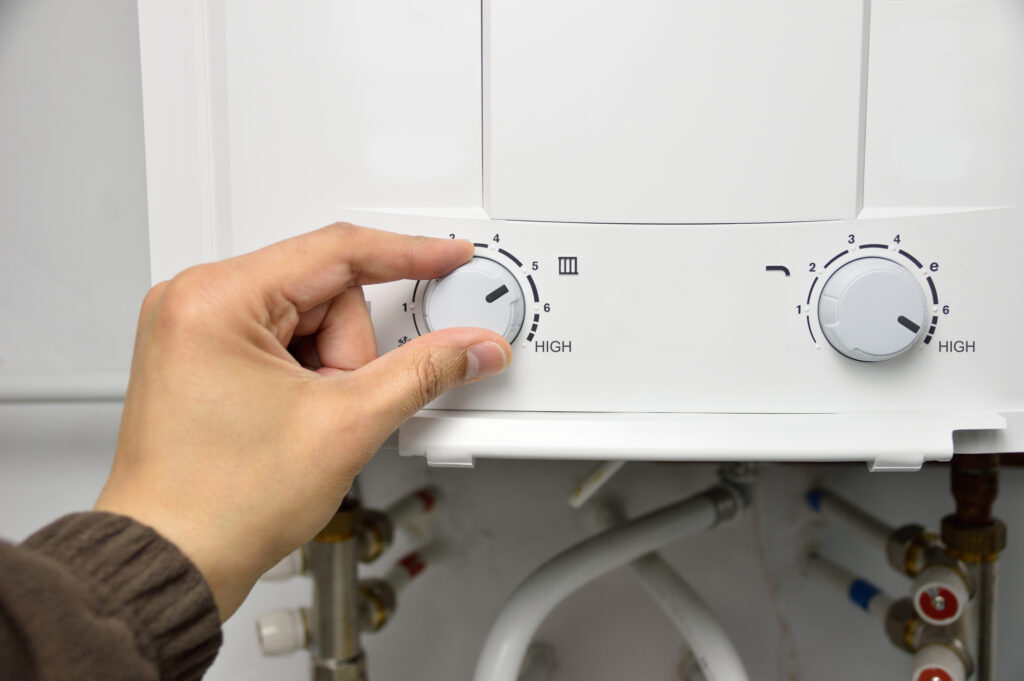
Lowering the temperature might cut costs, but it can also lead to lukewarm showers and even bacteria buildup. Instead, stick to the recommended setting of 120°F for efficiency and safety.
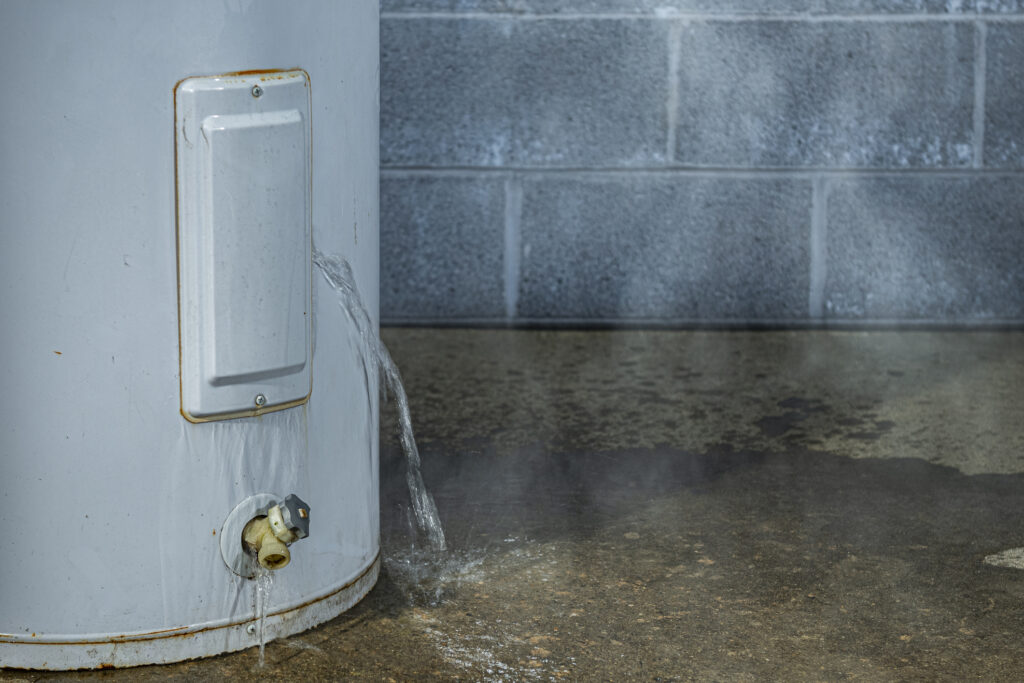
Waiting until something goes wrong can lead to costly repairs or a full replacement. With regular tune-ups, Peter Levi can TAKE CARE OF IT by flushing out sediment and inspecting key components, ensuring your system runs like new.
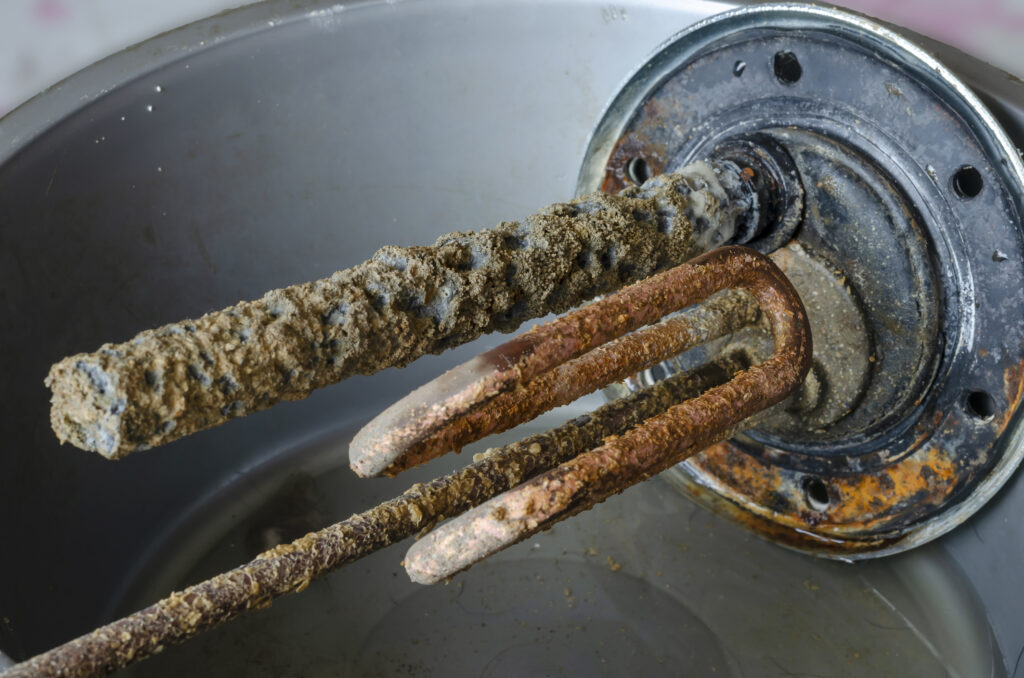
Sediment buildup forces your water heater to work harder, meaning higher energy bills for you. Regular maintenance is key to keeping your system efficient and extending its lifespan.
At Peter Levi, we make water heater care simple and stress-free because we know your time is valuable. Whether it’s a tune-up to keep things running smoothly or tackling an issue before it turns into a bigger problem, our expert team is here to handle it all. Ready to boost your water heater’s efficiency? Give us a call today, and CONSIDER IT DONE!
GM, Peter Levi Plumbing, Heating, Cooling and Drains
With over twenty years of expertise in HVAC, plumbing, and drain services, I specialize in delivering high-quality solutions for residential needs. From high-end heating and air conditioning systems to comprehensive plumbing and underground construction projects, I am committed to providing exceptional service and reliability for every household. Whether it's an emergency repair or a planned home upgrade, my focus is always on delivering the best customer experience.
At Peter Levi, we know your water heater works hard year-round to keep your family comfortable. But did you know there’s a silent enemy lurking in your system? It’s called sediment buildup, and it can wreak havoc on your water heater’s performance and lifespan. Below, we will discuss why sediment buildup matters and how regular tune-ups can make all the difference.
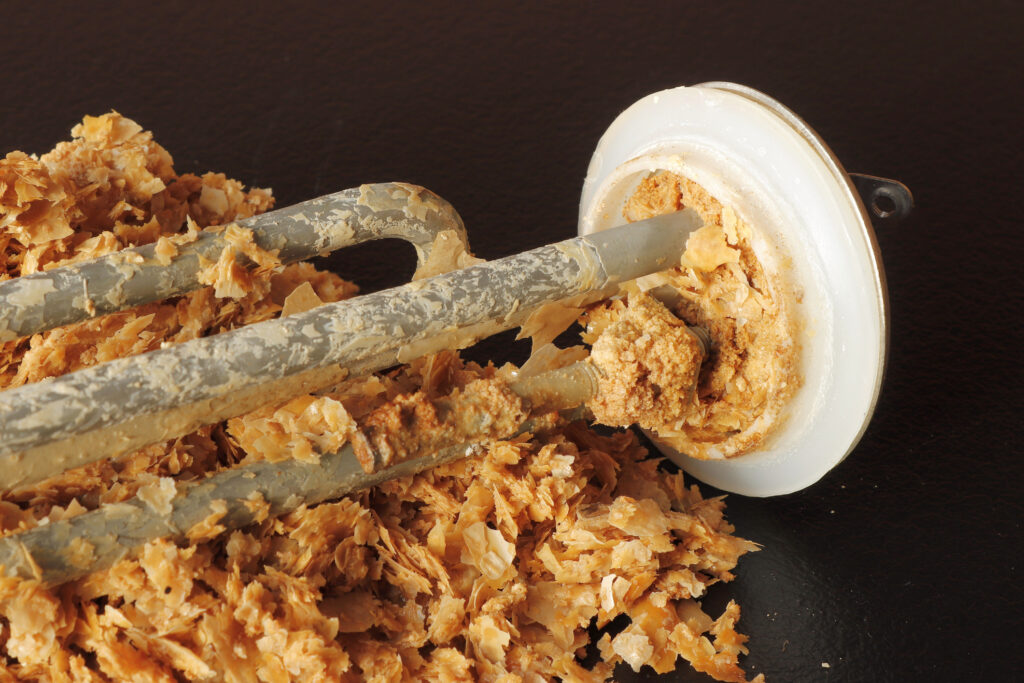
Sediment buildup occurs when minerals like calcium and magnesium, commonly found in hard water, settle at the bottom of your water heater tank. Over time, this layer grows thicker, creating a barrier between the heating element and the water itself. The result? A water heater that works harder than it should, leading to higher energy bills and potential damage.
Reduced Efficiency: Sediment acts like insulation, forcing your water heater to use more energy to heat your water. This leads to higher utility bills.
Inconsistent Water Temperatures: If you’ve noticed your showers switching between hot and lukewarm, sediment could be to blame.
Noisy Operation: As sediment hardens, it can cause popping or rumbling sounds as water heats up around the buildup.
Shortened Lifespan: Excess strain on your water heater means more wear and tear, ultimately reducing its lifespan.
Potential for Leaks: Over time, sediment can corrode the tank, increasing the risk of leaks and costly repairs.
As a California homeowner, hard water is a common challenge—but it doesn’t have to defeat your water heater. Schedule a water heater tune-up with Peter Levi today and let us TAKE CARE OF IT so you can enjoy worry-free comfort. Don’t wait for cold showers or costly repairs. We’re here to help you stay comfortable and stress-free all year long!
At Peter Levi, we’ll ensure your water heater operates at peak performance. A professional tune-up removes sediment, inspects all components, and addresses potential issues before they become major problems. Regular maintenance not only saves you money but also ensures your family enjoys reliable hot water year-round.
GM, Peter Levi Plumbing, Heating, Cooling and Drains
With over twenty years of expertise in HVAC, plumbing, and drain services, I specialize in delivering high-quality solutions for residential needs. From high-end heating and air conditioning systems to comprehensive plumbing and underground construction projects, I am committed to providing exceptional service and reliability for every household. Whether it's an emergency repair or a planned home upgrade, my focus is always on delivering the best customer experience.
Drain problems can sneak up on any homeowner, but knowing when to tackle them yourself and when to call a professional can save time, money, and stress. Here’s a quick guide to help you decide how to handle common drain issues.
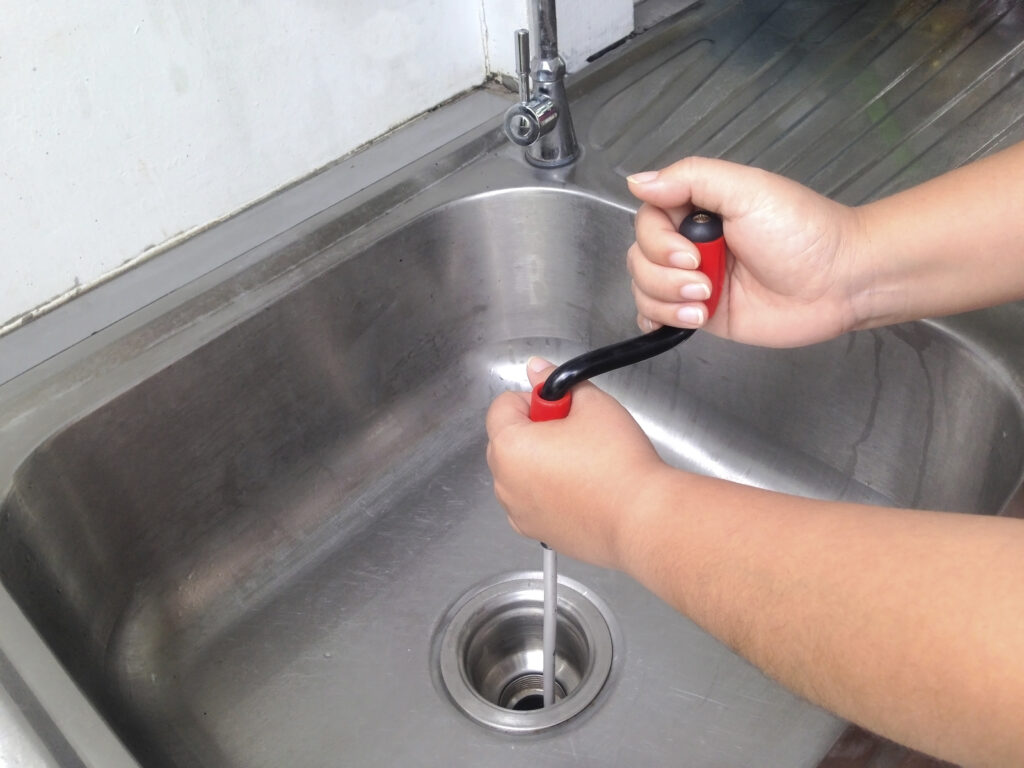
Clogs in the Sink
Try using a drain snake or zip tool to fish out hair, food particles, or debris causing the clog. These tools are easy to use and effective for clearing blockages close to the surface.
Slow Drains
Try using a drain snake to remove debris that might be causing slow drainage. These tools are inexpensive and easy to use for minor issues.
Odors
Pouring boiling water down the drain or using a baking soda and vinegar solution can neutralize bad smells caused by buildup.
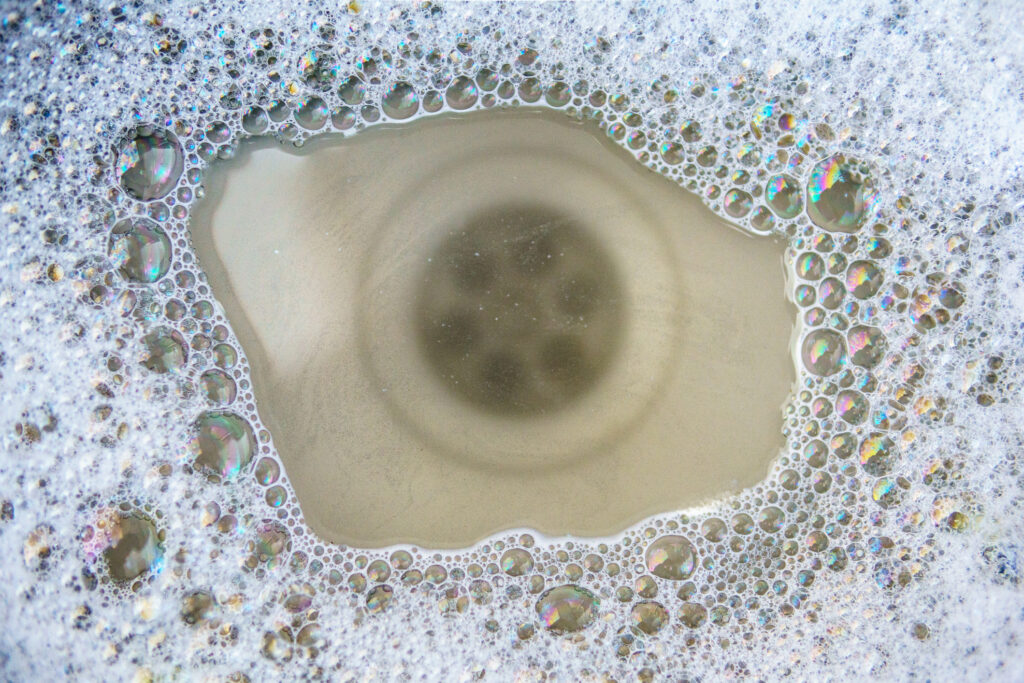
Recurring Clogs
If you find yourself fixing the same clog repeatedly, the issue might be deeper in the system, requiring professional tools and expertise.
Sewage Smells
Persistent foul odors could indicate a serious problem with your sewer line. This isn’t a DIY situation.
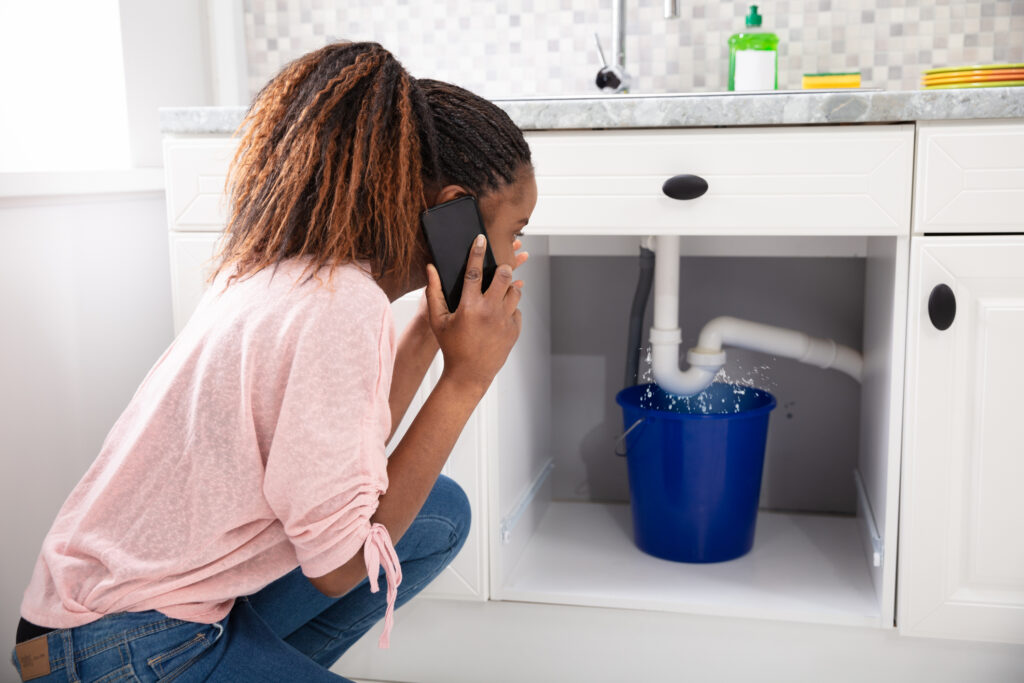
Leaking or Damaged Pipes
Visible leaks or signs of water damage near your drains need immediate attention from a licensed plumber.
At Peter Levi, we’re here to help with all your plumbing needs—big or small. Whether it’s a quick fix or a major repair, you can CONSIDER IT DONE. Contact us today to keep your drains running smoothly and your home worry-free.
GM, Peter Levi Plumbing, Heating, Cooling and Drains
With over twenty years of expertise in HVAC, plumbing, and drain services, I specialize in delivering high-quality solutions for residential needs. From high-end heating and air conditioning systems to comprehensive plumbing and underground construction projects, I am committed to providing exceptional service and reliability for every household. Whether it's an emergency repair or a planned home upgrade, my focus is always on delivering the best customer experience.
Your drains might seem like a harmless part of your home, but to pests like drain flies, cockroaches, and ants, they’re a cozy place to call home. Food debris, moisture, and warm, dark environments create the perfect conditions for these unwelcome guests to settle in. At Peter Levi, we’re here to help you keep your drains clean, your home bug-free, and your mind at ease.
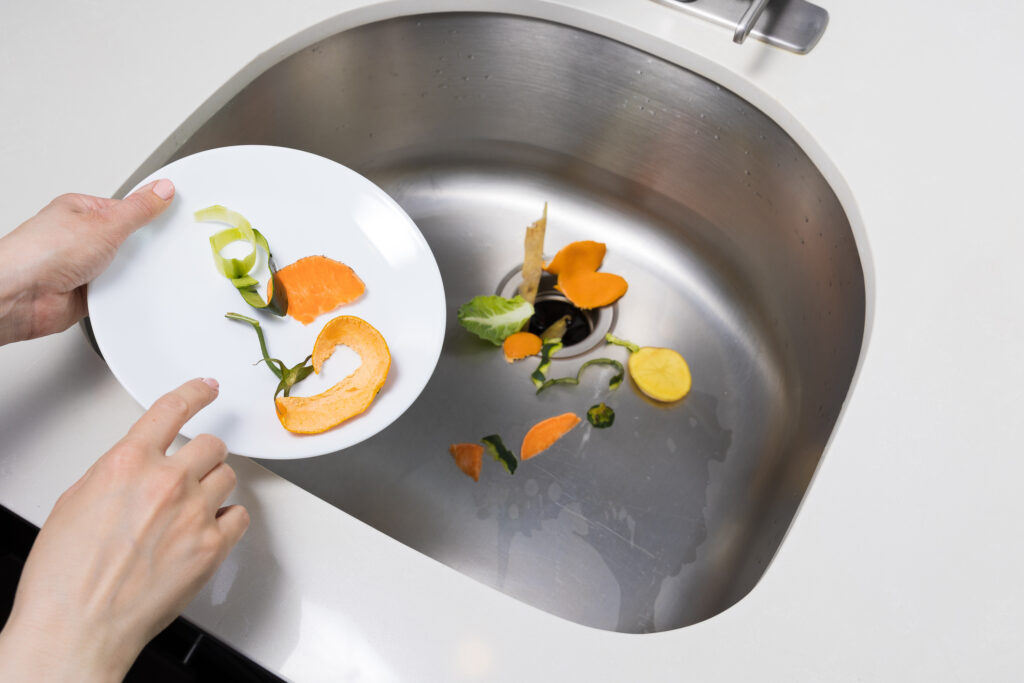
Moisture
Drains provide a consistent water source, which pests need to survive.
Food Residue
Leftover scraps or grease in your drains can be a feast for bugs.
Shelter
Dark, narrow pipes give pests a place to hide and breed undisturbed.
If left untreated, these conditions can lead to infestations that quickly spread beyond the drain, turning a minor annoyance into a major problem.
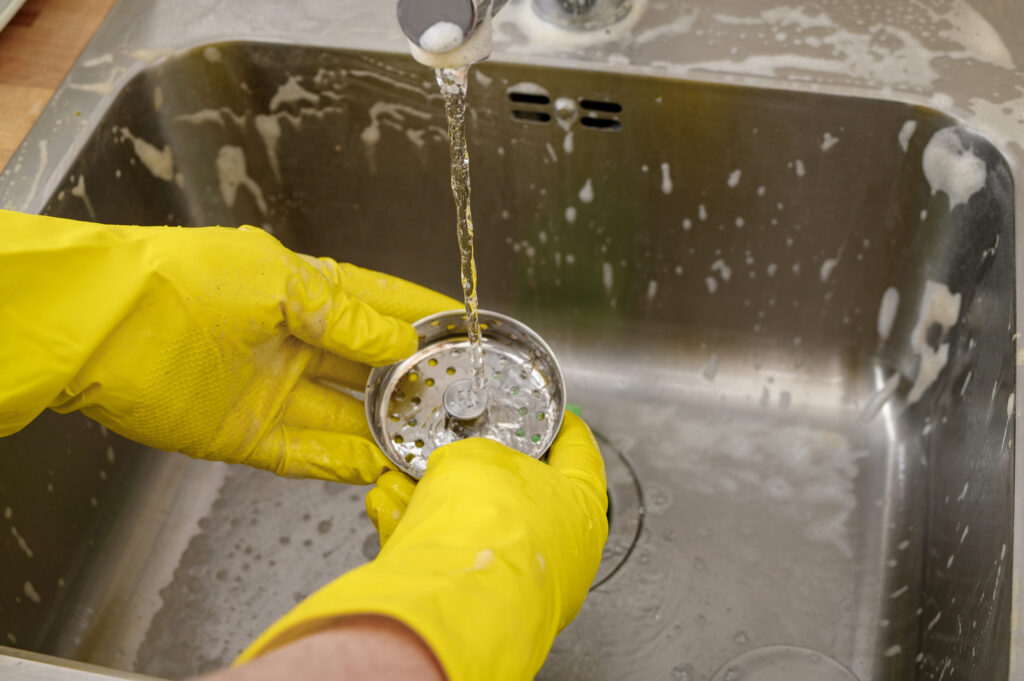
Clean Regularly
Flush your drains with hot water and a mixture of baking soda and vinegar to clear residue.
Avoid Grease
Never pour grease or oil down the drain—they harden and trap food particles, creating a bug buffet.
Install Drain Covers
A simple cover can prevent bugs from crawling into your drains.
Fix Leaks
Moisture from leaking pipes can attract bugs. Repair any leaks promptly.
Schedule Professional Cleanings: Regular maintenance ensures your pipes stay clear and uninviting to pests.
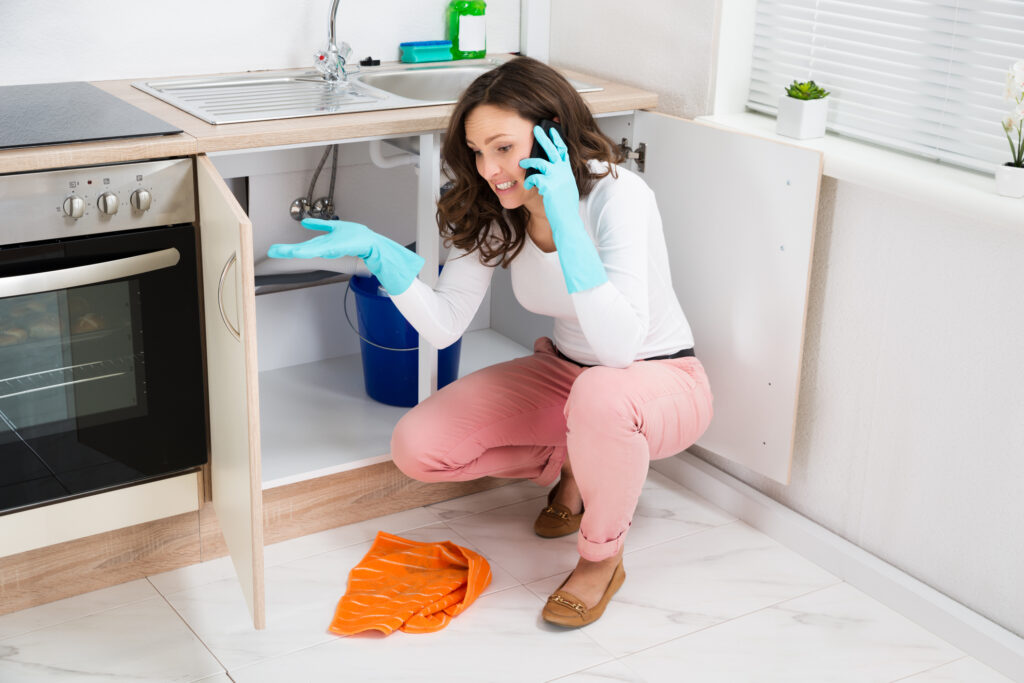
If you notice signs of pests in your drains, such as foul odors, small black flies, or crawling insects, it’s time to bring in the professionals. At Peter Levi, we’ll inspect your drains, identify the issue, and provide thorough cleaning to eliminate the problem. You can trust us to TAKE CARE OF IT so you can enjoy a pest-free home.
Your drains don’t have to become a bug hotel. With regular maintenance and professional care, you can stop pests before they invade your space. Contact Peter Levi today to schedule a drain cleaning and ensure your home stays clean, safe, and bug-free.
GM, Peter Levi Plumbing, Heating, Cooling and Drains
With over twenty years of expertise in HVAC, plumbing, and drain services, I specialize in delivering high-quality solutions for residential needs. From high-end heating and air conditioning systems to comprehensive plumbing and underground construction projects, I am committed to providing exceptional service and reliability for every household. Whether it's an emergency repair or a planned home upgrade, my focus is always on delivering the best customer experience.
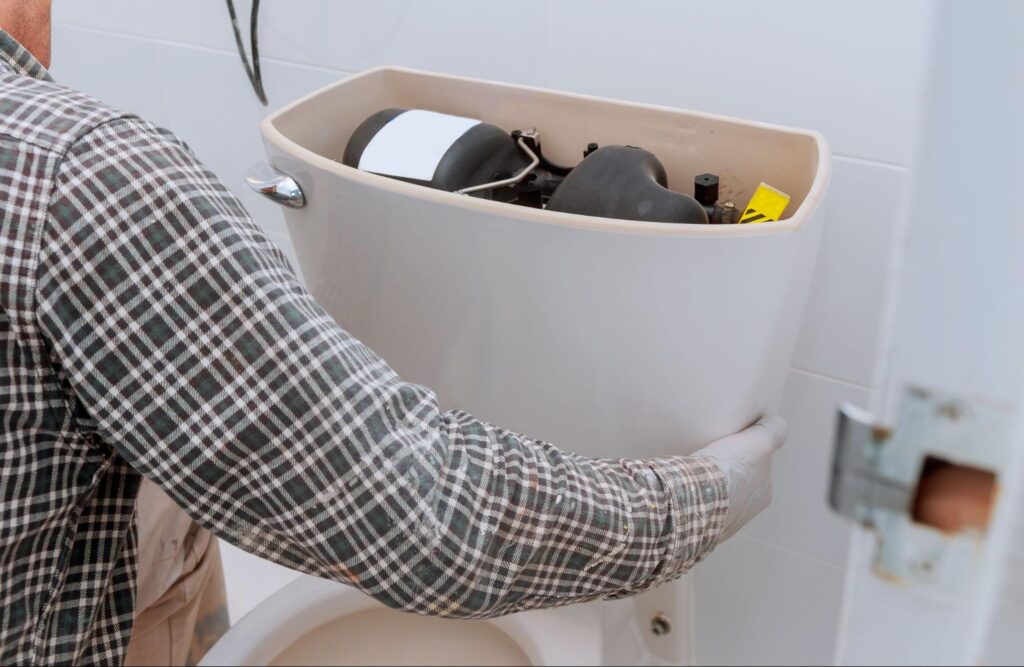
Your toilet draws freely from your water supply to operate. Unfortunately, this also means that if it springs a leak, it can cause extensive water damage in your bathroom. Knowing how to shut off the water supply to your toilet helps prevent this.
The toilet shut-off valve is usually located behind the toilet and can be operated by turning it. Need more information? Keep reading to learn:
Schedule Your Plumbing Repair With Peter Levi Today!
It takes a high level of expertise and craftsmanship to work in plumbing, whether detecting leaks, fixing toilet parts, or helping you remodel. Peter Levi delivers every time with the benefit of honest, upfront pricing. There are no hidden charges or fees.
Your toilet's shut-off valve is critical to stopping water from flowing. You may need to turn it off on several occasions, including if:
Most toilets produced in the U.S. have a shut-off valve on the back left side. You can identify it by the gray, braided cable that connects the toilet tank to the wall. The valve typically has an oval-shaped knob or handle.
If you can't find the toilet's water valve and are dealing with a serious leak or flood, it's best to shut off the water supply to your whole house. The main shut-off valve is typically located outside with a lid covering the meter, or in your basement.
If you're wondering how to turn off the water to your toilet, follow these steps:
To turn the water supply back on, twist the valve counterclockwise. Don't attempt this until all repairs have been completed and it’s ready to be tested.
If turning the valve doesn't do anything or if water continues to flow even though you've turned it as far as possible, a professional plumber should inspect it.
Once the water is off, you can do any repair work you're comfortable with. However, we recommend calling a trained professional. Plumbing can be delicate and if you don't know what you're doing, you risk worsening the problem.
Some signs you should probably call in reinforcements include:
If you can't figure out what's wrong with your toilet or you've diagnosed it, but aren't confident performing the repair yourself, give us a call at Peter Levi. We'll get it in good working order in no time.
Book Your Emergency Plumbing Repair With Peter Levi
As Northern California's premier plumbing, heating, and cooling experts, we have a big reputation to uphold. When you call us for a leak detection or any plumbing issue, you can trust we'll get the job done right the first time.
GM, Peter Levi Plumbing, Heating, Cooling and Drains
With over twenty years of expertise in HVAC, plumbing, and drain services, I specialize in delivering high-quality solutions for residential needs. From high-end heating and air conditioning systems to comprehensive plumbing and underground construction projects, I am committed to providing exceptional service and reliability for every household. Whether it's an emergency repair or a planned home upgrade, my focus is always on delivering the best customer experience.
NOVATO
24 Digital Dr STE 1
Novato, CA 94949
VACAVILLE
1021 Mason St, STE 11
Vacaville, CA 95688
CONCORD
1000 Detroit Ave. W.
Concord, CA 94518